Water Birth: A Clear Plan to Stay Comfortable and Safe
12/25/2025

Problem: You want the calming benefits of water during labour, but the thought of unclear safety rules, limited monitoring, or a slow transfer to higher care makes you anxious.
Agitate: That uncertainty can turn what should be a peaceful choice into stress: inconsistent facility policies, variable staff experience, unclear infection controls, and fear of complications (fetal distress, heavy bleeding, infections, or the need for urgent transfer) can leave you feeling unsupported when every minute matters.
Solution: A simple, evidence‑based plan aligns your comfort with safety. Immersion in the first stage can reduce pain and increase satisfaction for low‑risk births when paired with clear protocols. Follow a checklist, ask targeted questions, and confirm training and transfer plans so you stay in control.
- Who may consider water birth: People with low‑risk, term pregnancies seeking non‑pharmacologic pain relief and mobility.
- When to be cautious: Preterm labour, placenta previa, active genital infections, fever, fetal distress, prior uterine surgery, or need for continuous monitoring.
Ask your provider:
- How many water births have you attended?
- Am I a good candidate given my health and baby’s position?
- How will baby’s heart be monitored in the tub and how often?
- What are your pool cleaning and temperature policies?
- What is the rapid transfer plan and who makes that call?
Plan items to document:
- When you’ll enter the tub and whether you plan to deliver in water.
- Positions you prefer and who will assist entry/exit.
- Newborn care preferences (delayed cord clamping, skin‑to‑skin) and where assessment will happen.
- Backup pain relief and criteria for moving to shore.
Practical safety checks: Waterproof Doppler or agreed intermittent monitoring for low risk, pool temperature ~36–37.5°C, clean potable water or single‑use liners, immediate on‑shore neonatal resuscitation equipment, staff certified in neonatal resuscitation, and a practiced transfer route.
When to leave the tub: Abnormal fetal heart tracing, heavy bleeding, maternal fever, dizziness, suspected cord prolapse, or if assisted delivery/continuous monitoring is needed.
Postpartum: Prioritize drying, skin‑to‑skin when baby is stable, and follow facility cleaning protocols. Ensure lactation support and follow‑up care.
Bottom line: Water can be a powerful comfort tool—use it with a documented plan, clear communication, trained staff, and tested emergency procedures so your birth is both calming and safe. Ask for written policies from your team and make your preferences part of the medical record.
Articles for you
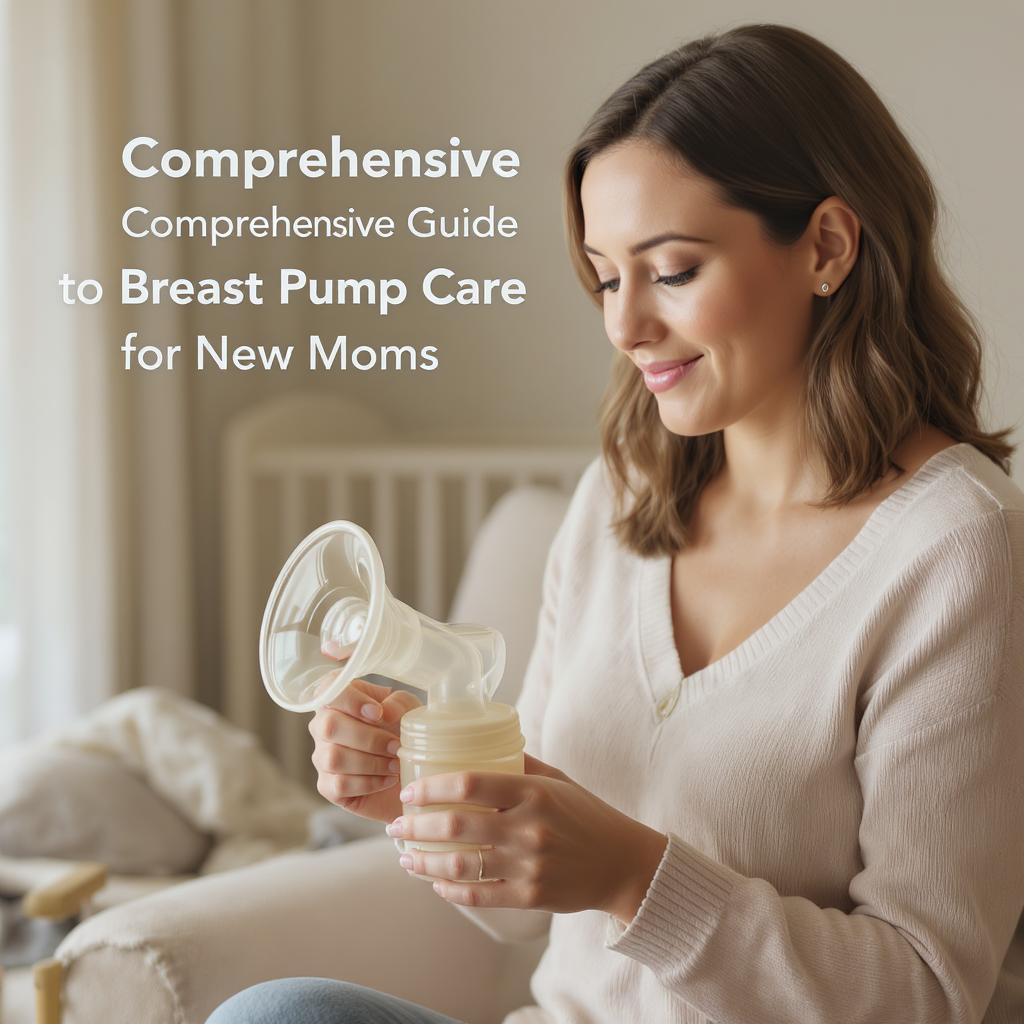
Comprehensive Guide to Breast Pump Care for New Moms
Caring for your newborn involves many joyful responsibilities, among which ensuring the cleanliness of your breast pump equipment stands vital. This m...
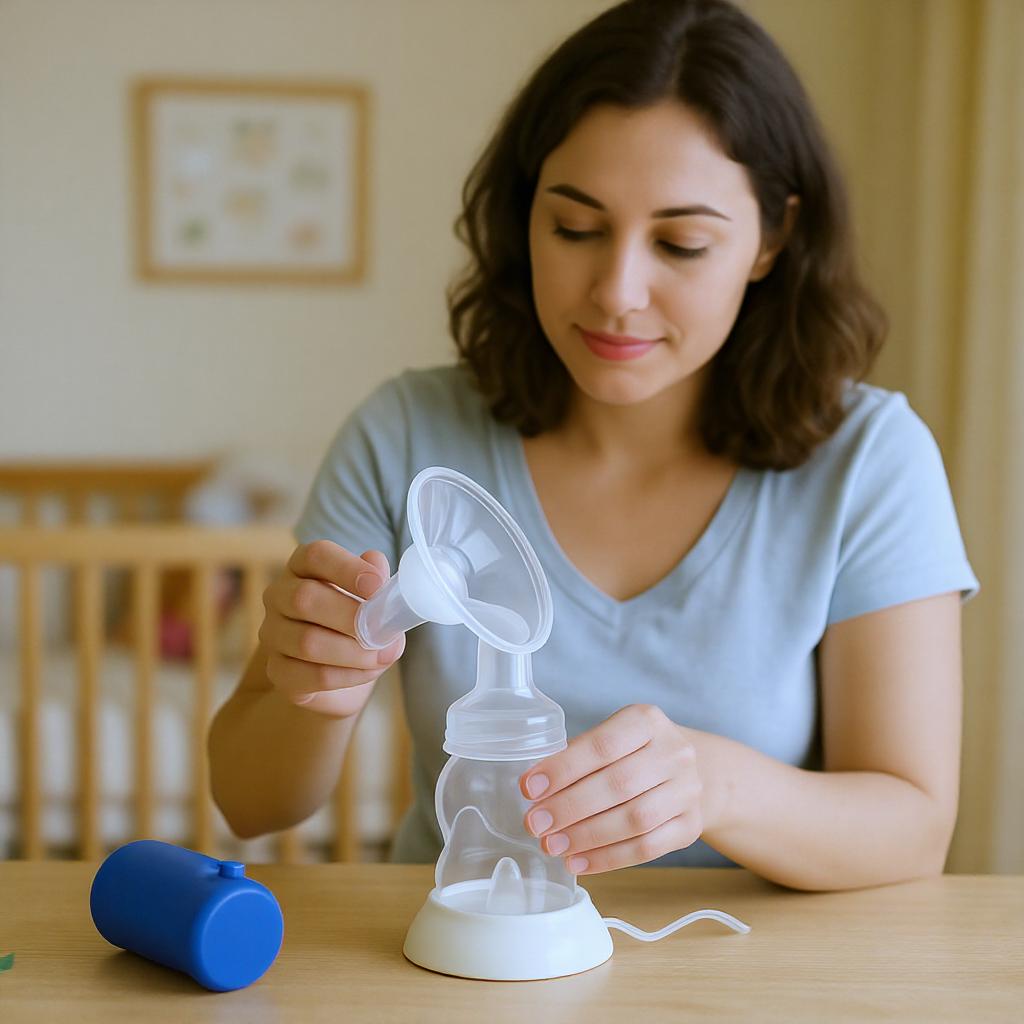
7 Ways to Ensure Your Breast Pump is Safe and Clean
Ensuring the cleanliness of your breast pump is a crucial aspect of nurturing your baby's health. Here’s a guide to simplifying this essential task.Un...

Overwhelmed by Babywearing? Find Comfort and Confidence Today
Problem: Your arms ache from carrying a fussy newborn, your to-do list grows, and you worry your baby isn’t getting enough comfort or stimulation.Agit...