Practical, Flexible Maternity Wardrobe — Inverted Pyramid Guide
19/12/2025
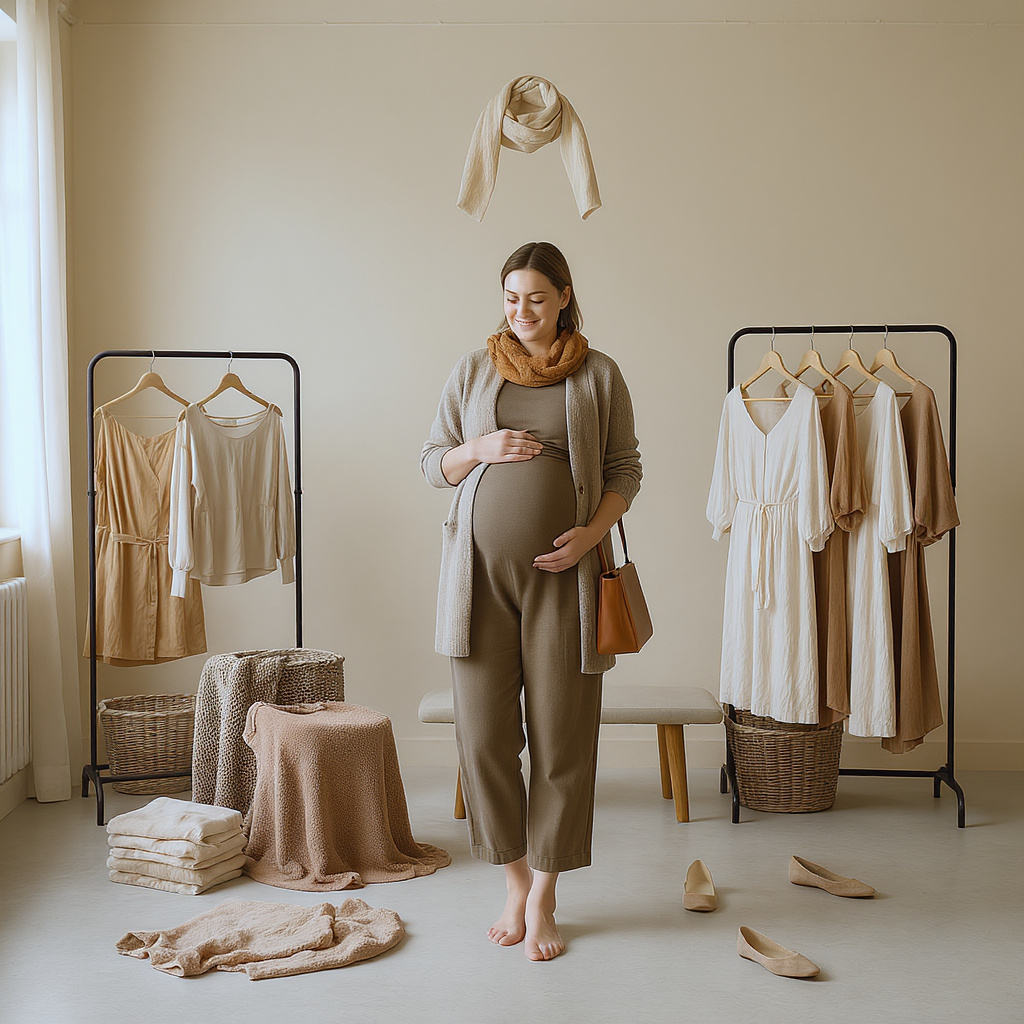
Main point: Build a small, adaptable maternity wardrobe that prioritises comfort, circulation-safe fit, and easy nursing access so you can focus on rest and caring for your baby.
Why this matters: Thoughtful pieces reduce daily friction, protect posture and circulation, and extend usefulness from early pregnancy through postpartum and breastfeeding.
Core strategy (quick):
- Choose stretchy basics and adjustable silhouettes (wraps, button-front, empire waists).
- Prioritise breathable, soft fabrics with gentle stretch and flat seams.
- Invest in a good nursing bra and supportive shoes; combine with budget or secondhand basics.
Key benefits & evidence-based tips:
- Comfort & circulation: Soft, forgiving waistbands and side ruching protect circulation—avoid tight bands late in pregnancy; discuss compression with your clinician if swelling or varicose veins occur.
- Adaptability: Button/zip fronts, wrap dresses, and adjustable waists extend garment life from bump to postpartum and simplify nursing.
- Support: Optional belly bands or pelvic belts can help posture—try under guidance from a pelvic health physiotherapist.
- Footwear: Stable, low heels or supportive flats with good arch support reduce fall risk and strain.
Practical wardrobe checklist:
- Soft crew or V‑neck tees, full‑panel leggings, maternity jeans (under/over bump).
- Button‑front shirt, wrap dress or maxi with side ruching, long cardigan or utility jacket.
- Nursing camis, front‑closure bras, slip‑on flats, lightweight robe/nightshirt.
Trimester changes & quick actions:
- First: fuller, tender breasts, mild bloating—choose soft bras and stretchy tops.
- Second: rounded abdomen—add adjustable waists and side‑panel bottoms.
- Third: centre of gravity shifts, more swelling—supportive shoes, elevate feet, consider compression if advised.
- Early postpartum: uterine shrinkage, changing breasts—keep nursing access and layers for temperature control.
Everyday tips & care: Pack a spare nursing camisole, set up 1–2 ready outfits, wash stretch fabrics on cool/delicate, air‑dry or low heat. Try on garments with layers and seated/squatting movements. Use secondhand for coats or dresses but check elastics and seams.
Clinical note: For significant swelling, sudden pain, breathing changes, or persistent pelvic/back issues, contact your healthcare provider and consider referral to pelvic‑health physio or podiatry for tailored support.
Bottom line: A few well‑chosen investment pieces plus versatile, inexpensive basics and small rituals (ready outfits, easy care) keep dressing simple, safe, and comfortable through pregnancy and early parenthood.
Articles for you

Ensuring Infant Safety: A Guide for New Parents
Ensuring Infant Safety: A Guide for New Parents As a new parent, one of your foremost concerns is your baby's safety. From the moment they arrive, you...

Understanding Gestation: Nurturing the Journey from Conception to Birth
Understanding Gestation: Nurturing the Journey from Conception to Birth The journey of pregnancy, from the moment of conception to the birth of your l...
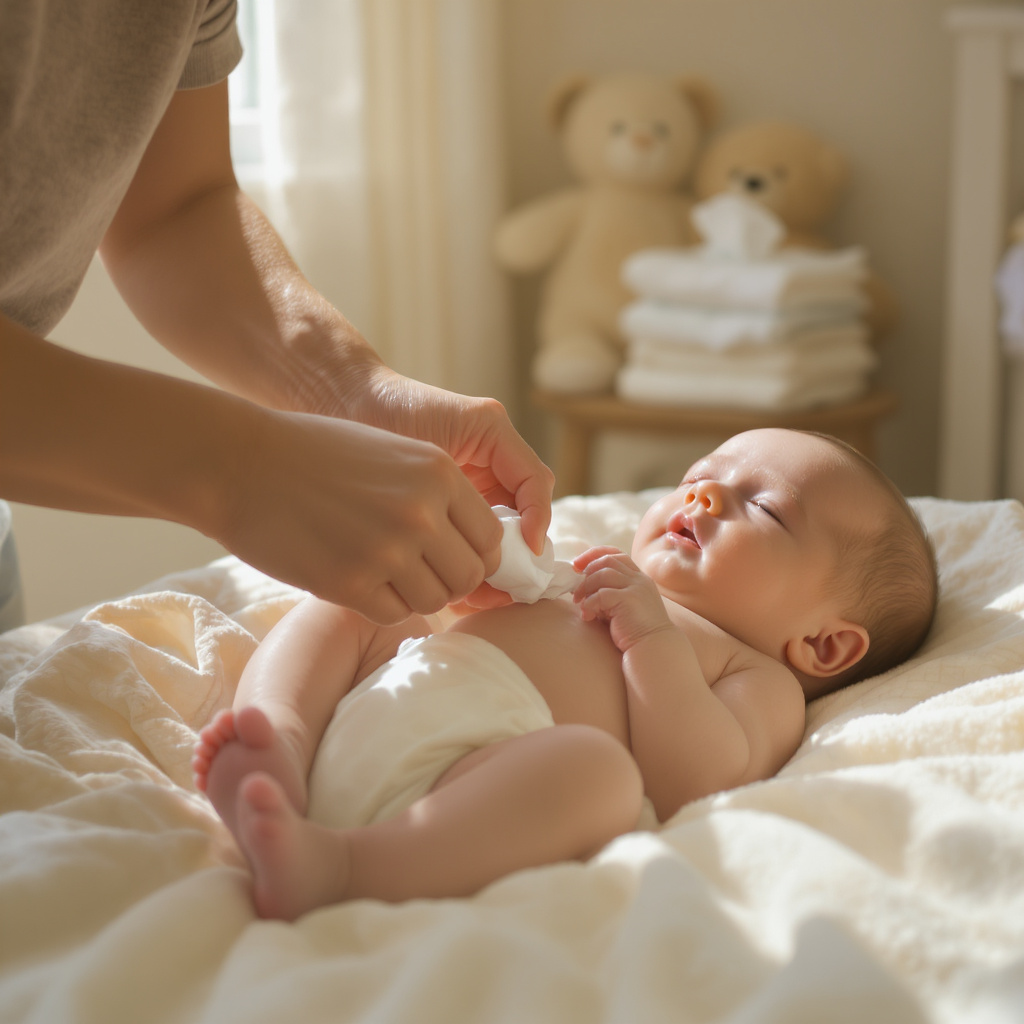
Prevent Diaper Discomfort: Simple Steps to Protect Your Baby and Reduce Stress
Problem: Diaper time can feel like a small, endless chore—wetness, leaks, persistent redness, interrupted sleep, and the constant worry that you might...