Newborn Clothing: Comfort & Safe Sleep with the What/Why/How/What If Framework
10/6/2026
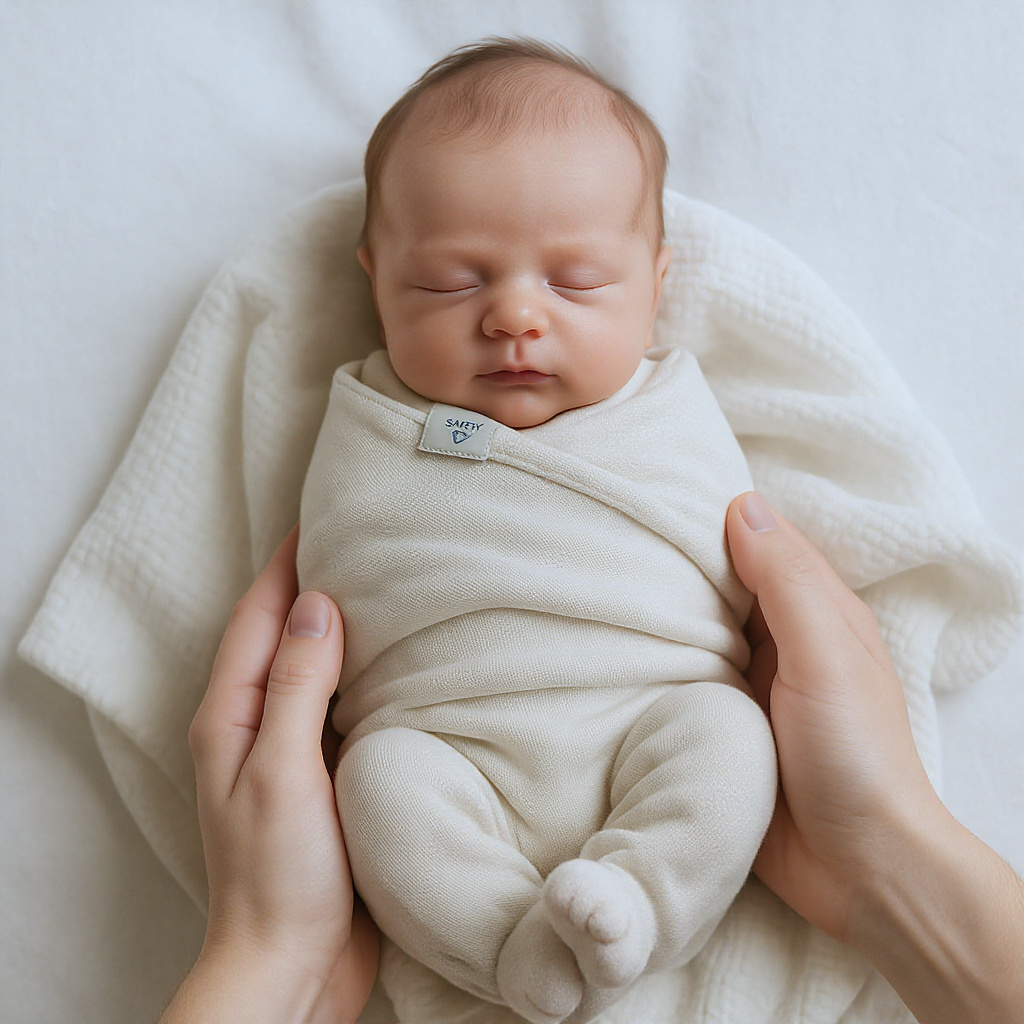
What are we talking about?
Choosing newborn clothing that supports two goals at once: comfort for sensitive skin and safer sleep. This includes the fabric you choose, how the clothes fit, how they’re constructed (seams, closures, elastic), how you wash them, and how you layer for changing temperatures.
Why is it important?
Newborns have extra-sensitive skin, and small details can matter more than they seem—scratchy seams at the neckline, stiff fabric, or detergent residue can contribute to redness or discomfort. Sleep adds an extra layer of importance because anything that bunches, twists, or shifts during the night can affect comfort and safety. Clothing also directly impacts temperature management; babies can overheat or get chilled quickly, and they can’t tell you when they’re uncomfortable.
How do you do it?
1) Start with comfort-forward materials
- Choose gentle fabrics: look for soft, smooth options like cotton or soft blends.
- Avoid irritation points: skip anything scratchy or stiff—especially around the neck, cuffs, and waistband.
- Prefer breathability: use lighter basics you can add or remove as rooms and outdoor conditions change.
2) Get the fit and construction right
- Snug-but-not-tight: clothing should stay in place without leaving marks or restricting movement.
- Check seams: avoid bulky seams that land where friction is likely (neckline, waistband, sleeve cuffs). If possible, feel the inside with your fingertips.
- Test elastic: elastic should feel gentle and not pinchy; it shouldn’t create noticeable pressure as baby moves.
- Use practical closures: snaps or zippers work best when they lie flat and help you dress baby quickly with minimal tugging.
3) Build a smarter wardrobe (not a bigger one)
- Start small: fewer pieces reduces decision fatigue and helps you learn what your baby actually tolerates.
- Choose mix-and-match basics: onesies/bodysuits and simple layers can be reused across outfits.
- Plan for size changes: buy a small range (or add the next size up soon) since “newborn” varies by brand.
- Create an active rotation: keep frequently used pieces in easy reach, wash them often, and store backups for growth spurts or resets.
4) Wash like it’s part of the clothing
- Use gentle detergent: consider fragrance-free options when possible for sensitive skin.
- Rinse thoroughly: a full rinse helps reduce residue that can irritate newborn skin.
- Stick to care instructions: follow garment guidance so fabrics and finishes stay skin-friendly.
5) Layer for temperature—then adjust
- Use a system: base layer + optional add-on for cooler conditions.
- Watch overall comfort: focus on behavior and ease of settling, not just hands or feet.
- For warm days: fewer layers and breathable fabrics.
- For cooler days: cover well without bulky overheating; adjust if indoors changes the temperature.
6) Make sleepwear “simple and safe-sleep aligned”
- Fit matters overnight: choose sleepwear that stays in place without bunching or twisting.
- Keep sleep clothing free of loose parts: avoid ties, dangling accessories, and anything that could shift.
- Follow up-to-date pediatric guidance: check current safe sleep recommendations when selecting sleepwear features and using swaddling (if applicable).
What if you don’t (or want to go further)?
If you skip comfort checks, loose seams and stiff fabrics may repeatedly irritate your baby’s skin. If you ignore layering and fit, your baby may wake more often or seem fussy due to temperature mismatch. If you don’t wash thoroughly with a gentle approach, detergent residue and lingering fragrance can build up and contribute to dryness or itchiness.
If you want to go further, you can:
- Do a “feel test”: run your fingertips along seams and cuffs while the garment is inside out.
- Track what works: note which fabrics and cuts help your baby settle more easily.
- Align with credible sources: confirm detergent and safe-sleep recommendations with trusted pediatric or dermatology references.
- Reevaluate as baby grows: update the wardrobe based on actual growth pace and comfort feedback, not just the tag label.
Best for: Educational blogs, thought leadership, and explainer content focused on newborn comfort, sensitive-skin care, laundry choices, and safe-sleep-aligned clothing.
Articles for you

Navigating Breast Engorgement: Comfort for New Mothers
Breast engorgement can be an overwhelming challenge, especially for new mothers navigating the postpartum period. This uncomfortable condition occurs ...

Pregnancy & Early Parenthood: Clear Steps When You’re Overwhelmed
Problem: You’re excited about the baby but also exhausted, anxious, and unsure what’s normal. Small choices feel huge and every symptom or decision ca...

Harmonizing Parenthood: From Baby Names to Sign Language and Beyond
The Symphony of New Beginnings: Naming, Nurturing, and Signing with Your Baby As you embark on the beautiful yet challenging adventure of parenthood,...