Meditation for Pregnancy — What, Why, How, What If
3/7/2026

What: Gentle, short meditation and mindful-movement practices tailored for pregnant people. These include breath awareness, brief body scans, simple pelvic or spine movements, and short connection scripts designed to fit into busy days and changing bodies.
Why: Regular, low-risk practice can reduce stress and anxiety, improve sleep, increase body awareness, and help with coping during labor. Small, consistent sessions (even 2–10 minutes) support emotional steadiness and clearer communication with care providers.
How:
- Set up: Find a comfortable, well-supported position—seated, semi-recline, side-lying or hands-and-knees as needed. Avoid lying flat for long after mid-pregnancy.
- Short practices: 2–3 minute grounding: 3 slow breaths, slightly longer exhales, notice sensations. 5–10 minute safety-and-connection: anchor to the breath, imagine a source of support, place a hand on the belly or chest and repeat a short reassuring phrase.
- Movement options: Pelvic tilts (hands-and-knees), standing hip rolls, or wall-supported gentle spine lifts—move slowly and link to the breath. Modify by trimester and stop if something feels sharp or dizzy.
- Micro-practices: Hand-to-belly moments, breath breaks between tasks, bedtime 1–2 minute wind-downs.
- Partner/team cues: Simple touch and synchronized breathing (inhale 3, exhale 4), short guided pauses between contractions, and brief supportive phrases.
What if: If you have a complex pregnancy, significant medical issues, or a history of severe mental-health conditions, check with your obstetric or mental-health provider before starting. Stop and move to a safe position (often left side) and seek care for dizziness, fainting, severe headache, visual changes, sudden swelling, or suicidal thoughts. To go further, work with a perinatal mental-health specialist or join evidence-based prenatal mindfulness or relaxation programs reviewed by clinicians.
Practical tip: Consistency matters more than length—anchor short practices to daily routines and let them be flexible and kind to your changing needs.
Articles for you
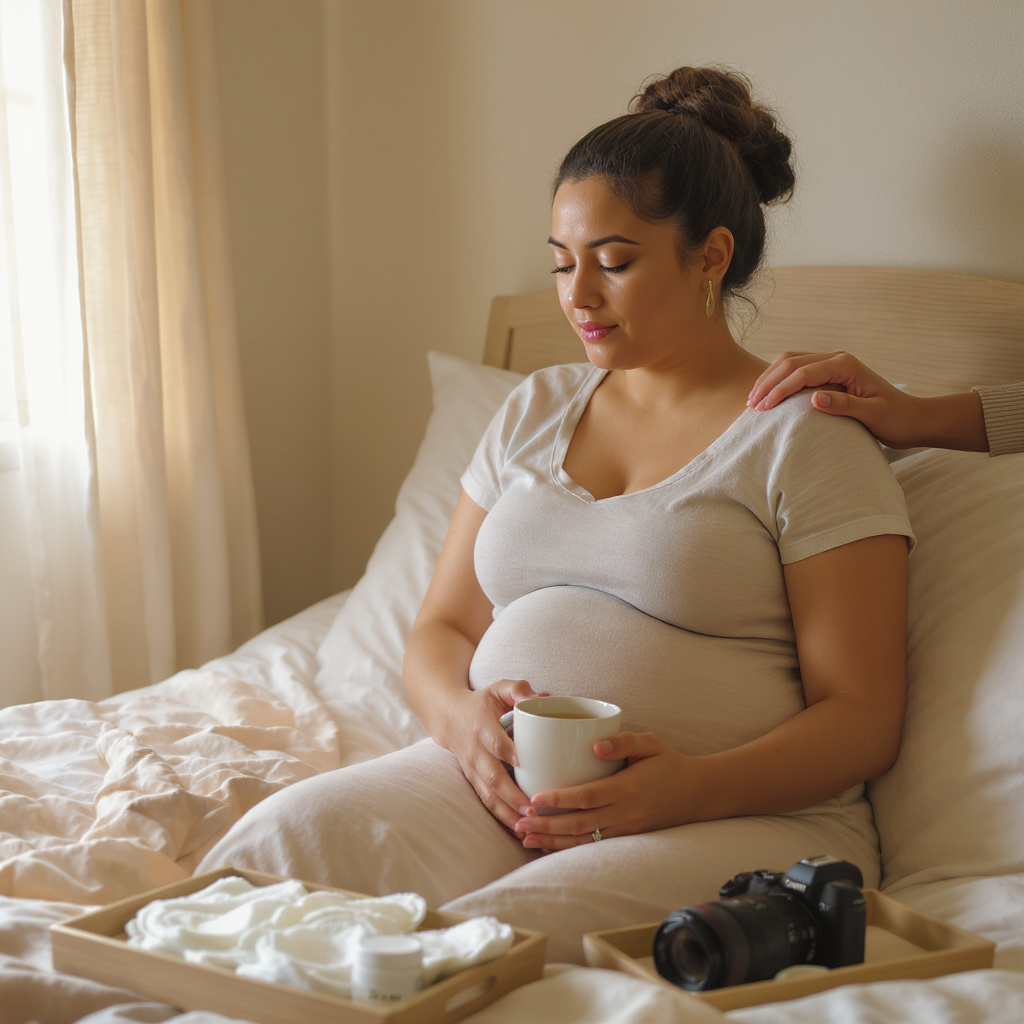
Postpartum Recovery Pillar: Lochia, Self-Care & Support
Welcome to our comprehensive postpartum recovery pillar post. This central guide walks you through the lochia journey, self-care rituals, warning sign...

Understanding Gestation: Nurturing the Journey from Conception to Birth
Understanding Gestation: Nurturing the Journey from Conception to Birth The journey of pregnancy, from the moment of conception to the birth of your l...

Navigating Newborn Screening, Crafting Your Birthing Plan, and Celebrating Pregnancy Announcements
A New Beginning: Navigating Newborn Screening, Crafting Your Birthing Plan, and Celebrating the Announcement Welcoming a new life into the world is a...