High‑Risk Pregnancy: Quick Guide (Inverted Pyramid)
4/12/2026

Main point: A pregnancy labeled "high‑risk" needs a coordinated care team, more frequent monitoring, and a flexible birth and postpartum plan tailored to the specific cause.
TL;DR
- High‑risk means targeted tests, more visits, and specialist input.
- Know warning signs and who coordinates your care.
- Plan delivery and postpartum follow‑up in advance.
Key supporting points
- Who: OB, possible MFM specialist, midwife, neonatologist, mental‑health or social support.
- Monitoring: extra ultrasounds, BP checks, NSTs, labs and glucose logs as needed.
- When to act: heavy bleeding, severe headache/vision changes, sudden swelling, fever, or drop in baby movements—seek care now.
What changes for birth and after: Delivery timing or cesarean may be recommended; steroids and NICU planning for early birth; earlier postpartum checks and mental‑health follow up.
Background & tips
- Risk is reassessed throughout pregnancy—plans can change as new tests arrive.
- Keep a simple symptom log and save your provider's urgent contact and nearest ER.
- Ask your clinician for the exact guideline statements (ACOG/CDC/WHO) behind any recommendation.
Top 3 next actions
- List your top 5 questions and bring them to the next visit.
- Confirm who coordinates your care and save their direct contact.
- Start a one‑page symptom and glucose/BP log to share at appointments.
Key caution
Guidance and medication safety change with diagnosis and new evidence—always confirm specific tests, treatments, and timing with your care team before acting.
Articles for you

7 Ways to Fly Smoothly with Your Newborn
Flying with a newborn requires meticulous preparation to ensure a comfortable journey for both parent and child. Here's a comprehensive guide with sev...

A Gentle Guide to Baby-Led Weaning: Fostering Independence and Exploration
Baby-led weaning (BLW) offers a joyful and empowering way to introduce your baby to solid foods. This method allows babies to self-feed, encouraging t...
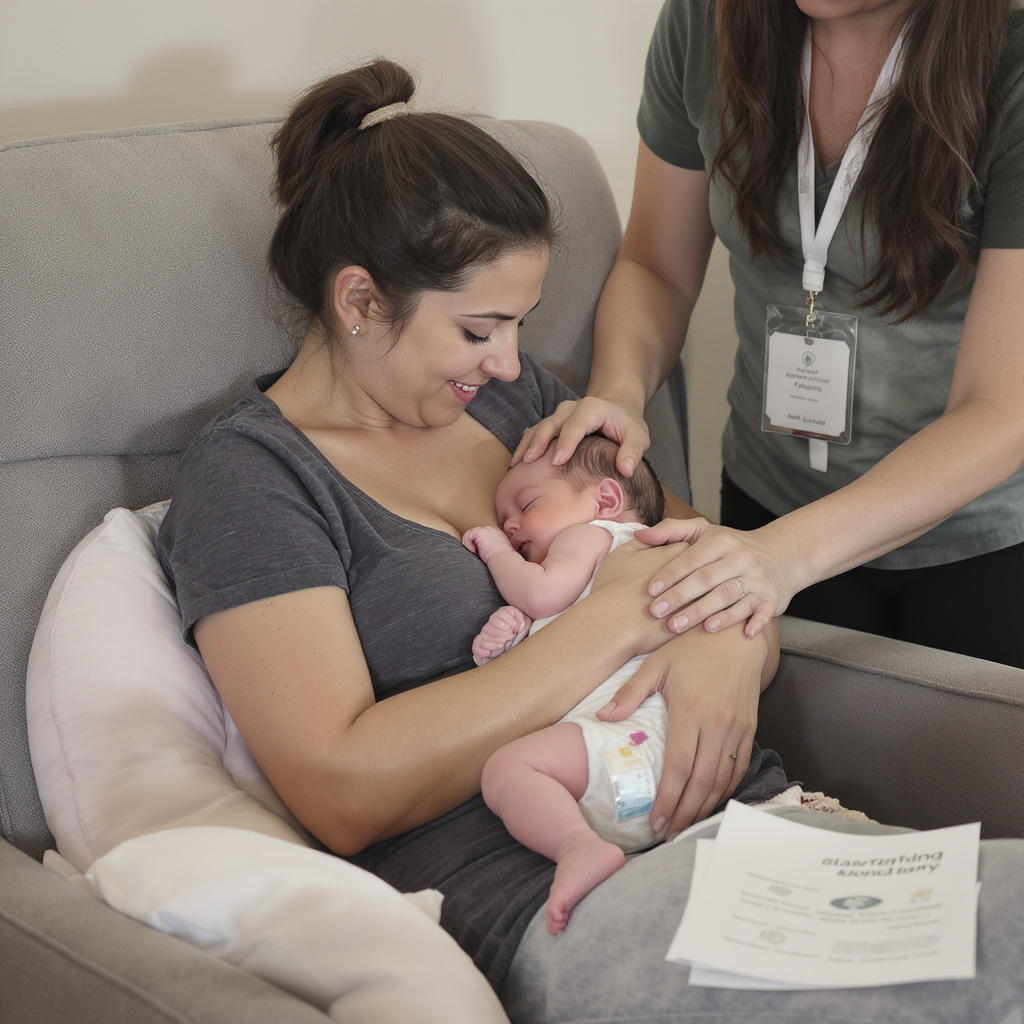
Breastfeeding & Early Postpartum Care — What, Why, How, What If
What: Practical guidance on newborn feeding, early milk production (colostrum to mature milk), latch and positioning, pumping, common breastfeeding pr...