7 Ways Delayed Cord Clamping Enhances Your Baby's Health
26/7/2025
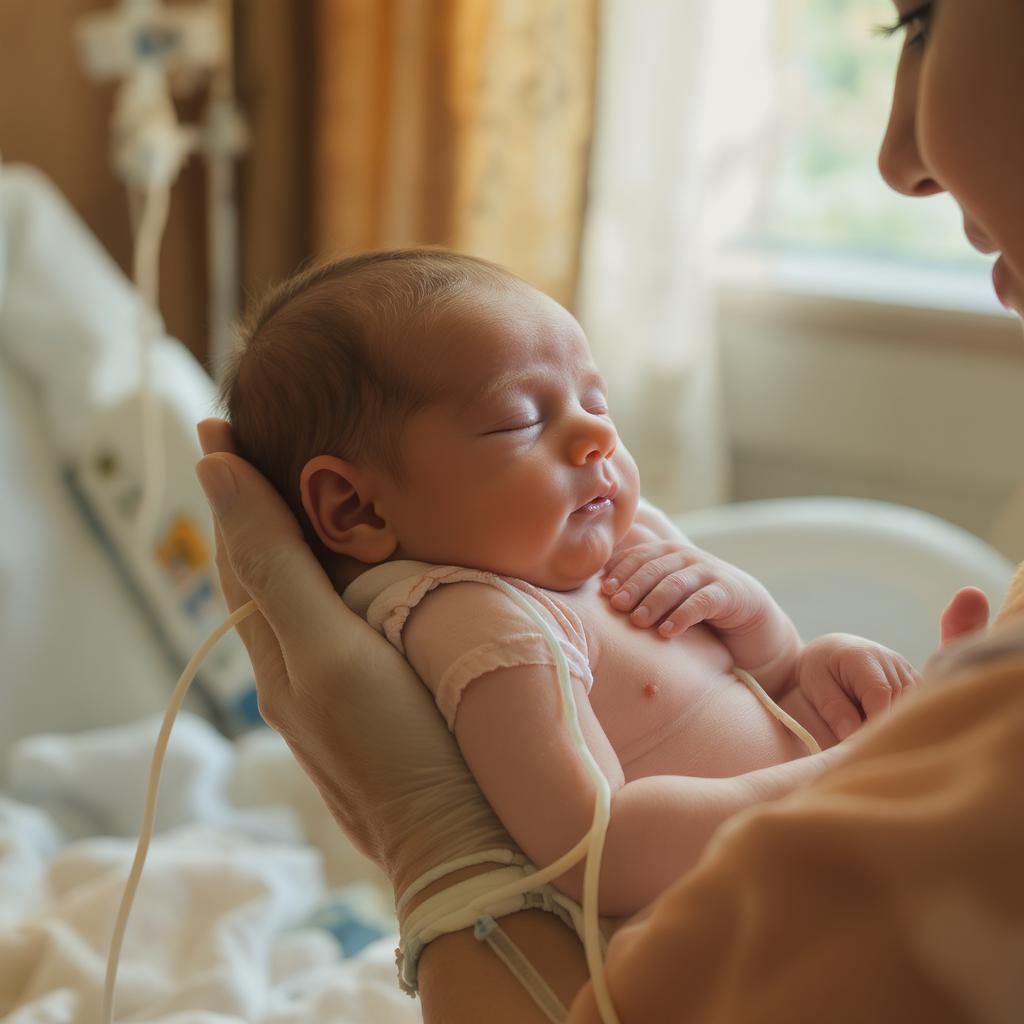
Here are 7 compelling ways delayed cord clamping can improve your newborn's health and enhance your childbirth experience.
- 1. Boosts Newborn Iron Levels:
Delayed cord clamping allows an extra flow of blood to transfer from the placenta to your newborn, providing them with a natural reserve of iron. This is crucial for forming healthy red blood cells essential for transporting oxygen throughout the body.
- 2. Reduces Anemia Risk:
Research shows that this additional blood transfusion can reduce the risk of anemia in infants, a condition where there's a lack of healthy red blood cells. By waiting those extra moments, we support your little one’s health in a profound way.
- 3. Supports Preterm Infants:
For preterm infants, delayed cord clamping can be particularly beneficial. It may improve circulation, helping to stabilize vital signs and potentially leading to better overall outcomes.
- 4. No Added Risk to Mothers:
One reassuring aspect is that delayed cord clamping poses no additional risk of postpartum hemorrhage. Studies have consistently shown that this practice doesn’t increase the likelihood of excessive bleeding after birth.
- 5. Promotes Breastfeeding:
The physiological stability through delayed cord clamping can make the initial latch, a vital part of establishing a breastfeeding routine, smoother and potentially more intuitive.
- 6. Aligns with Medical Guidelines:
Both the World Health Organization (WHO) and the American College of Obstetricians and Gynecologists (ACOG) recommend this practice in healthy term infants, endorsing a wait of at least 30 to 60 seconds, and up to three minutes when possible.
- 7. Fosters Mother-Baby Bonding:
This gentle beginning not only benefits the newborn but can also be deeply meaningful for the mother, allowing you to fully soak in the precious first moments with your little one.
Articles for you

7 Strategies to Navigate Morning Sickness with Ease
7 Strategies to Navigate Morning Sickness with EaseMorning sickness is a common challenge for many pregnant women, affecting up to 80% worldwide. Here...

Mindful Motherhood: Nurturing Connection Through Meditation and Babywearing
The Art of Mindful Motherhood: A Journey of Connection Through Meditation and Babywearing Motherhood is a mosaic of experiences, each piece represent...

The Beautiful Chaos: Navigating Newborn Skin, Morning Sickness, and the Art of Swaddling
The Beautiful Chaos: Navigating Newborn Skin, Morning Sickness, and the Art of Swaddling Bringing a new life into the world is one of the most profou...